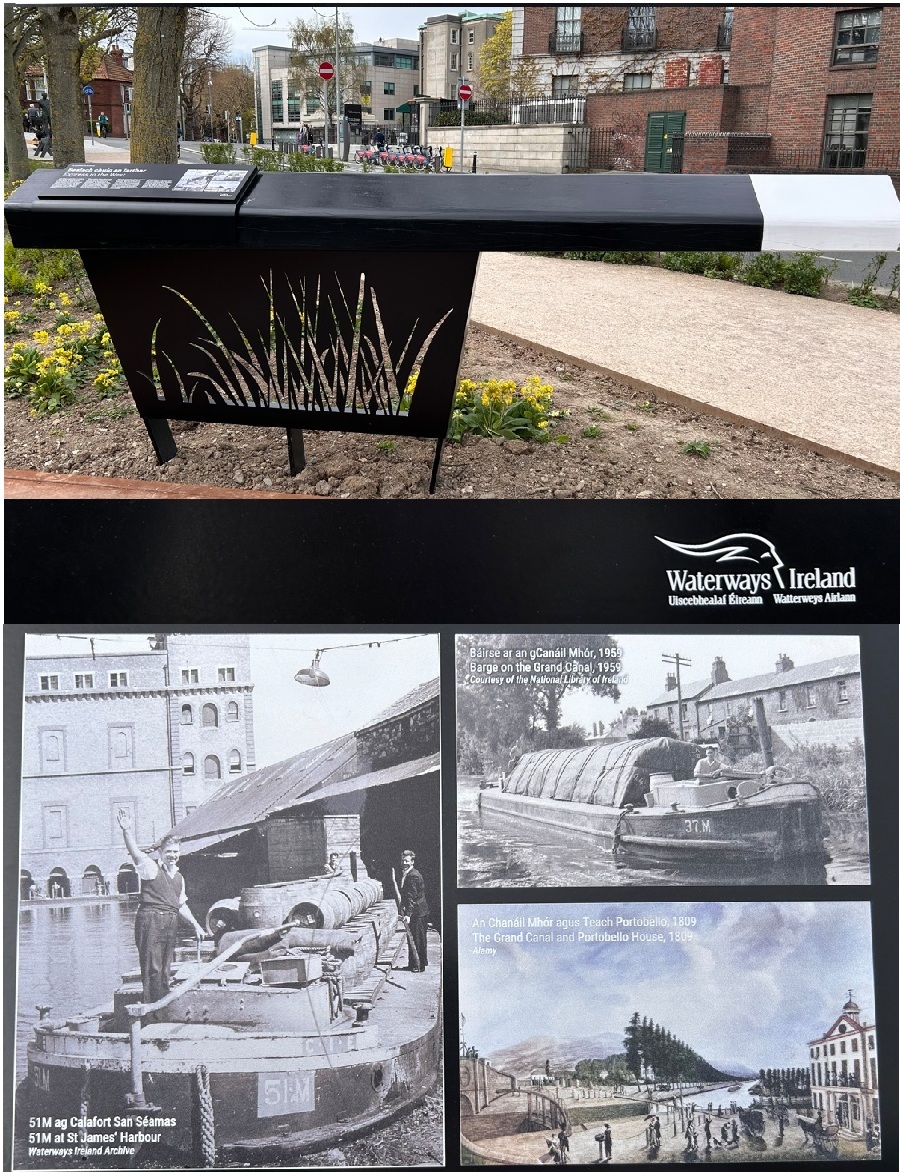
Constructed between 1790 and 1817, the historic Royal Canal was an important freight and passenger route in the 1800s.
In the mid-1800s canals were our motorways before the arrival of railways in Ireland. They were the most efficient and fastest way to transport people and goods across the country, goods such as agricultural produce, coal, turf and even Guinness.
Arthur Guinness had a harbour at St James`s Gate Brewery, a basin and a terminus on the Grand Canal.
Barrels of Guinness were the last cargo to be carried by a commercial barge on the 27th May in 1960, the 51M cast off from St James`s Harbour Dublin to Limerick.
Thanks to extensive restoration work, the Royal Canal was re-opened for navigation in 2010, and is now a popular destination for boaters, walkers, anglers and cyclists.
Winding 146 km westwards from Dublin to the Shannon. The Royal Canal Greenway runs alongside the canal from Maynooth to Cloondara, offering a purpose-built walking and cycling trail through pristine countryside and native wildlife.
Home to herons, swans, otters, badgers and foxes, it is one of Ireland’s most popular angling destinations where you can try your hand at catching roach, pike, tench, bream and the many other species of fish.
There has been further upgrades to a section of the Royal Canal in 2025 by Waterways Ireland and IPUT around Wilton Terrace, Dublin 2, featuring widened pathways, new seating, and native landscaping. This project is aimed to improve accessibility and biodiversity, while separate improvements to pedestrian and cycle facilities have been made by Dublin City Council.
For more information on the Royal Canal click here. https://www.waterwaysireland.org/our-waterways/royal-canal
Photo of new monument by Waterways Ireland along the canal on Wilton Terrace with the old photos of the canal back when it was in full use.